There is no single best named diet for losing fat while building muscle. A useful eating pattern supports resistance training, provides enough protein and creates a manageable energy balance for your priority. It must also fit your budget, preferences and health needs.
A diet can produce weight loss without being well suited to building muscle. It can also contain nutritious foods while providing more energy than a fat-loss goal requires. Judge the complete pattern rather than its marketing label.
What diet comparisons actually show
The DIETFITS trial assigned 609 adults aged 18–50, without diabetes, to a healthy low-fat or low-carbohydrate diet with structured instruction. Average 12-month weight change did not differ significantly between groups. That is not proof that every low-fat and low-carbohydrate diet is equivalent, and it does not answer which diet best supports muscle growth. The studied population, substantial support and individual variation matter when applying the result.
The practical lesson is to avoid treating one macronutrient restriction as universally superior. Your training, total food intake and ability to repeat the plan still matter.
Use a meal structure before a diet label
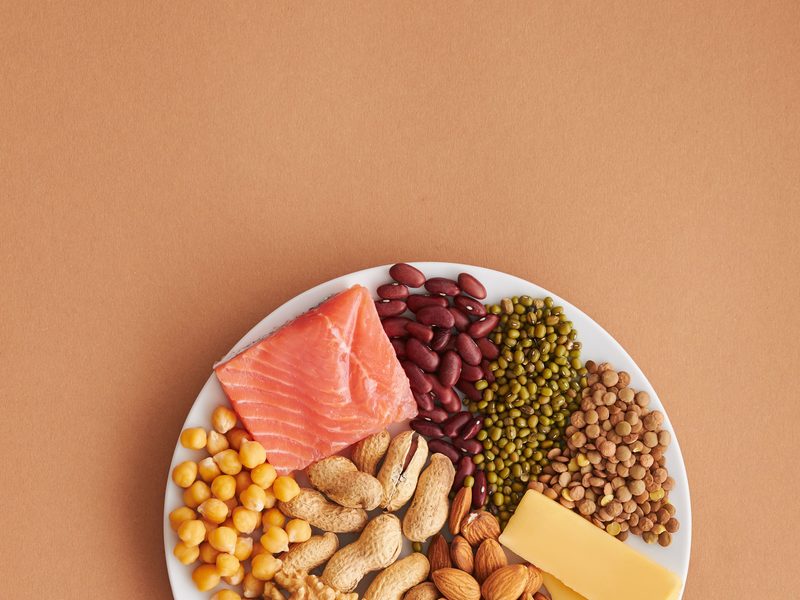
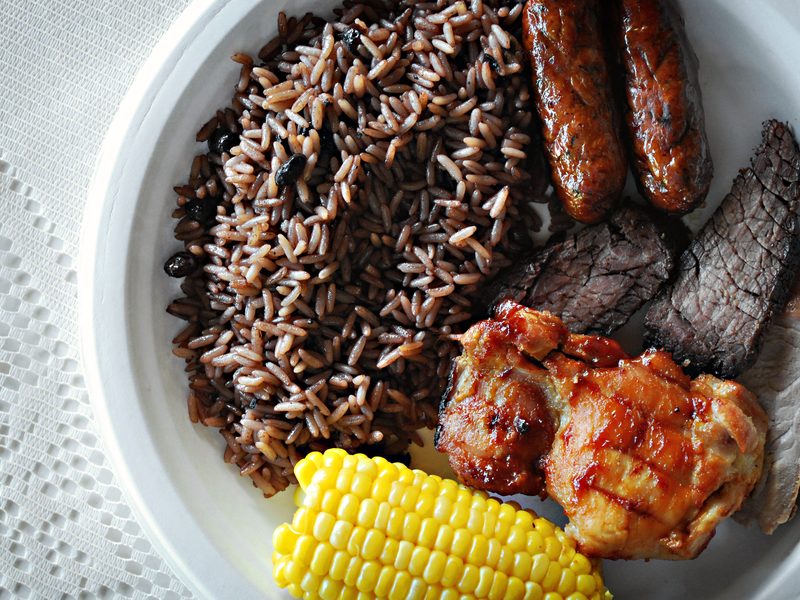
Build a regular meal pattern around foods you can obtain and prepare. A simple planning frame includes a protein source, vegetables or fruit, an appropriate carbohydrate source and some dietary fat. Portions depend on your situation; a plate diagram is not an accurate calorie measurement.
| Meal task | Possible options | Planning question |
|---|---|---|
| Include protein | Yogurt, eggs, fish, tofu, lentils, meat | Is the daily amount appropriate for me? |
| Include produce | Fresh, frozen or suitable tinned varieties | Will I actually eat these regularly? |
| Support training | Potatoes, rice, oats, bread, fruit | Do portions fit activity and preference? |
| Include fat | Nuts, seeds, olive oil and other foods | Have I accounted for concentrated portions? |
No item in this table is mandatory. Food allergies, cultural preferences and medical advice take priority.
Protein is a daily planning problem
The protein guide covers evidence and intake estimates. Turn any chosen target into meals rather than relying on a large evening serving to repair a poorly planned day.
For example, an illustrative 140 g target might be distributed across four meals containing roughly 35 g each. Real meals will vary. Exact equal portions are not required, and the target should not be copied without considering body mass and health history.
A supplement can make that pattern convenient, but it does not make the overall diet better by itself. If ordinary food already supplies enough protein, adding a shake simply adds another food and its energy.
Keep enough flexibility to train
If carbohydrates help you perform and enjoy your programme, there is no reason to remove them solely to qualify for a diet label. If a lower-carbohydrate pattern suits you, review training performance and food variety rather than assume it will harm or improve every outcome.
Similarly, removing nearly all dietary fat to make room for protein and carbohydrate can leave an unnecessarily restrictive pattern. The macro calculator can display the arithmetic, but it cannot determine the best distribution for every reader.
Separate research from a meal example
The following is a planning exercise, not a tested menu. Choose breakfasts you can repeat, lunches you can take to work, and dinners shared with your household. Add a protein-containing snack only if the full day needs it.
Before reducing portions further, check the foods that are hard to estimate: cooking oils, sauces, drinks and weekend additions. Use this as neutral information rather than a reason to label foods good or bad.
The WHO’s healthy-diet guidance supports dietary variety and fruit and vegetable intake. It is population guidance, not a bespoke bodybuilding menu. Keep nutritional quality in view even when a macro target appears technically correct.
Match calories to the primary goal
Muscle growth and fat loss can occur together, but large energy deficits make muscle gain harder. If fat loss is the priority, focus on maintaining useful training. If muscle gain is the priority and you are already lean, a prolonged aggressive deficit is an awkward fit.
Read body recomposition for the decision process, then use the tools to organise estimates. Avoid promises that a particular meal plan will change your body by a fixed date.
Keep the plan suitable for your circumstances
This draft awaits independent review. Pregnancy, kidney disease, diabetes medication, an eating disorder or other relevant conditions require tailored guidance. A registered dietitian can help adapt the plan without unnecessary restriction.
A strong diet is one you can describe in ordinary meals, repeat without constant negotiation and revise using real feedback. Its name is less useful than its ability to support the life and training you want.
Compare diets by what they help you repeat
DIETFITS randomised 609 adults to healthy low-fat or healthy low-carbohydrate approaches. Average weight loss did not differ significantly at 12 months. It was a weight-loss trial, not evidence that either approach produces identical muscle growth or suits every medical situation. Food preferences, affordability and tolerability still matter.
A useful meal pattern starts with a protein source, includes vegetables or fruit, and makes room for carbohydrates and dietary fat. For example, tofu or chicken with rice and vegetables can fit either maintenance or a deficit by adjusting portions. Oats with yoghurt or a suitable fortified alternative can be breakfast; beans, eggs or fish can support another meal. These are food combinations, not a measured calorie or protein prescription. Check labels and portion sizes rather than copying someone else's numbers.
Use the macro calculator to see how an illustrative budget is distributed. Do not remove a food group solely because a calculator produced a number. Training performance, digestive comfort, hunger and dietary variety belong in the review alongside weight trends. A diet that meets protein arithmetic while excluding most nutritious foods has missed the purpose.
References & editorial status
Revision history
2026-10-15 — Owner-approved V8 revision: worked examples, research context and practical guidance.
Spot an error? Submit a correction.
Reports are saved for editorial review, not emailed automatically. For a direct enquiry, email the publication.