Find your next read.
Search results

Foam rolling, stretching, massage and cold baths: what helps recovery?
Compare comfort, movement and performance outcomes without mistaking soreness relief for more muscle growth.

Training stress and recovery: when to adjust your workload
Use trends in ordinary training records to make measured changes without diagnosing yourself from a fatigue checklist.

What to eat after training for muscle recovery
Build an ordinary meal around protein, carbohydrate and fluids without an artificial anabolic deadline.

How long should muscles recover between workouts?
Build a weekly schedule around useful work and repeatable performance instead of a universal 48-hour rule.

Deload weeks explained: when and how to reduce training
Treat a deload as a workload adjustment, with a clear reason and return plan rather than a compulsory calendar ritual.

Rest days vs active recovery: what actually works?
Choose easy movement for a useful purpose without mistaking temporary comfort for faster tissue repair.

Should you train after a bad night's sleep?
Use alertness, symptoms and the demands of the session to make a sensible decision without declaring one night a disaster.

How much sleep do you need to build muscle?
Use adult sleep recommendations as a starting point without pretending research identifies one muscle-building number.

Build muscle. Start with what matters.
A practical starting point for better training: consistent sessions, a record of your lifts and a plan you can repeat.

Protein: how much is enough?
Set a useful daily target without making every meal a maths problem.

A calorie deficit you can actually live with.
Use an estimate as a starting point, then learn from your own trend.
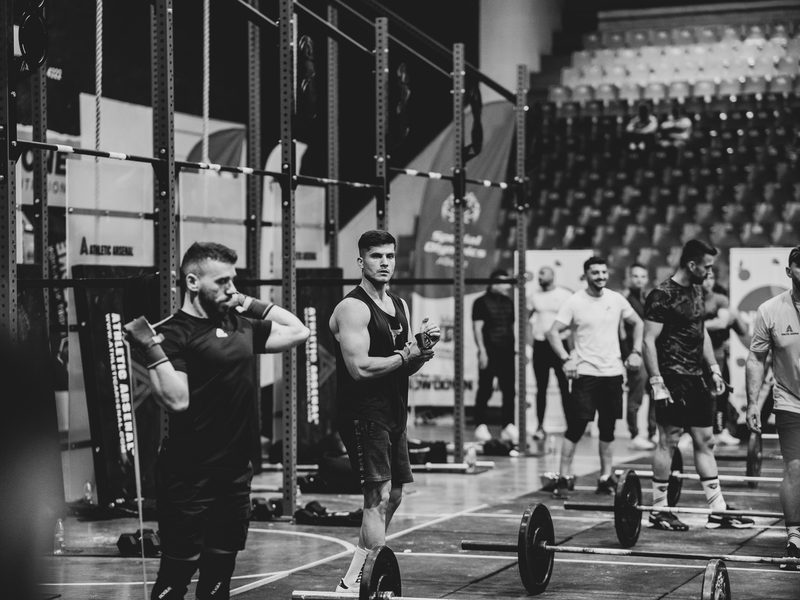
What makes a strength programme work?
A closer look at the 2023 network meta-analysis of load, sets and training frequency.

The protein study behind the daily target.
What a meta-analysis can—and cannot—tell you about protein and muscle growth.

Your next personal best starts in your training log.
A simple system for recording sessions and making your next decision clearer.

Can You Build Muscle and Lose Fat at the Same Time?
Body recomposition is possible, but training history, energy intake and measurement methods change what you should expect.

How to Lose Body Fat Without Losing Muscle
Protect training quality, use a manageable deficit and track several signals instead of assuming every kilogram lost is fat.

Fat Loss vs Weight Loss: What Is the Difference?
Weight includes water, glycogen and lean tissue as well as fat. Learn how to interpret progress without trusting one noisy number.

How Large Should Your Calorie Deficit Be When Muscle Matters?
Choose a manageable starting deficit and adjust it using recovery and trends. A larger calculated gap is not automatically a better plan.

The Best Diet for Losing Fat While Building Muscle
No diet label guarantees recomposition. Compare eating patterns using protein, training support, food quality and the routines you can repeat.

Why Your Weight Loss Has Stalled: A Practical Checklist
Check measurement noise, routines and recovery before cutting more food. A plateau needs a trend, not one disappointing weigh-in.

Does Losing Weight Get Harder With Age?
Age changes the context of weight management, but a sudden metabolic collapse at 40 is not what the measured evidence shows.
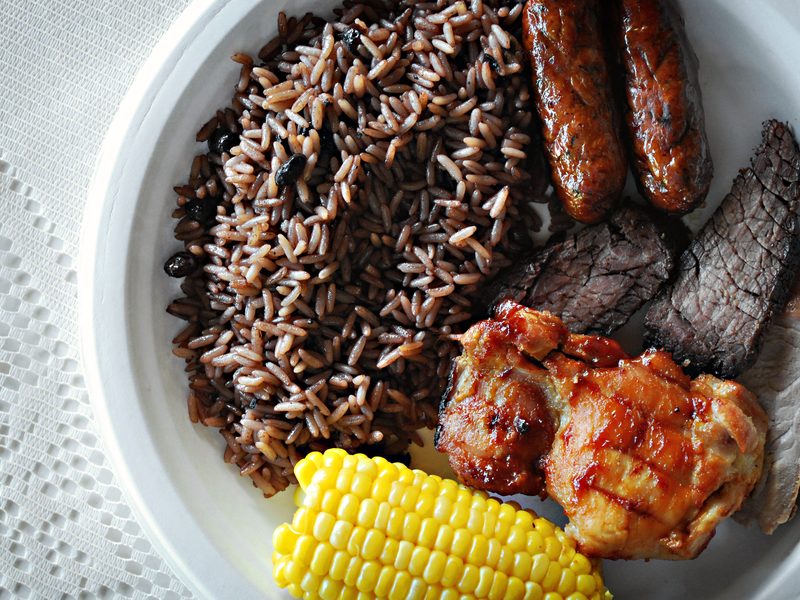
How to Improve Body Composition Without Extreme Dieting
Use repeatable meals, progressive training and a calmer progress record. Body-composition goals do not require a crash diet.

A Beginner Strength Training Programme You Can Repeat
A practical two-day starting plan, with exercise alternatives, effort guidance and a simple method for progressing.

How to Build Muscle After 40: Start With Your Training History
Age 40 is not a training deadline. Build a repeatable programme around your experience, recovery and current health.

How Long Does It Take to Build Muscle? Measure Months, Not Promises
A realistic guide to early strength changes, muscle-growth measurements and assessing a training block without invented monthly guarantees.
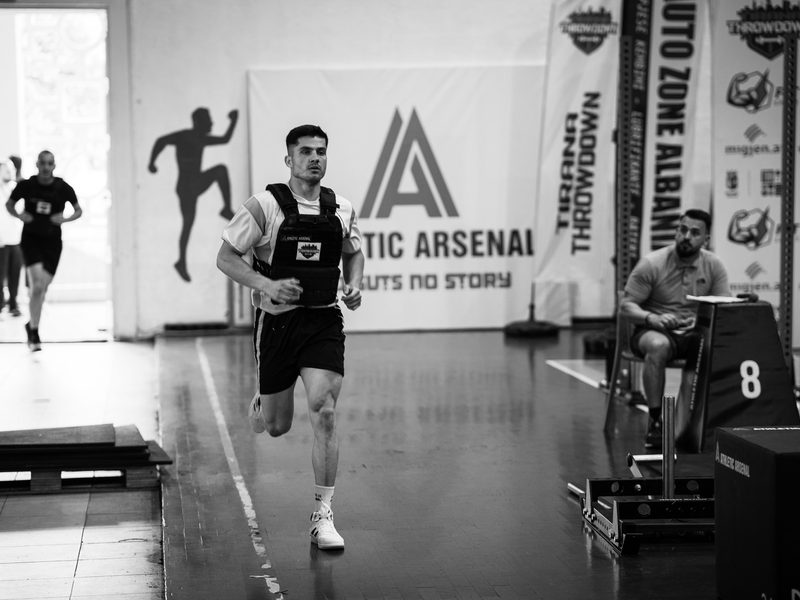
How Many Days Per Week Should You Train? Match the Schedule to the Work
Two, three or four lifting days can work. Compare weekly work, recovery and attendance before choosing your split.

Creatine Explained: Benefits, Dosage and Safety Questions
What creatine monohydrate can do, why early weight gain happens, and who should get individual advice before supplementing.

What Causes Muscle Loss? Separate Training Changes From Warning Signs
Disuse, under-fuelling, ageing and illness can affect muscle. Learn what a gym log can tell you and when to seek assessment.

Sleep and Muscle Recovery: A Practical Guide Without Miracle Claims
Sleep supports health and training. Understand the evidence, protect your sleep opportunity and adjust training after poor nights.

Progressive Overload Explained: A Method You Can Use Next Session
Progress is not only adding plates. Use consistent technique, repetition ranges and a training log to adjust the challenge.

Dumbbell bench press: make every repetition repeatable.
A clear setup, controlled repetitions and practical alternatives for your next upper-body session.

The deadlift: learn the setup before chasing the load.
A practical introduction to the barbell deadlift, with setup checks, alternatives and a simple training log.

Split squats: a steadier way to train one leg at a time.
Learn the stationary split stance, use support when helpful and make your repetitions easier to compare.

Lat pulldowns: control the pull, not just the weight stack.
Set up the machine, use a comfortable pulling path and record a version you can repeat.

Protein across your day: practical meals, less clock-watching.
Translate a daily planning range into meals you actually enjoy, without inventing an absorption deadline.

Build a balanced lunch around food you already like.
A flexible lunch framework for training days, busy workdays and ordinary appetites.

Carbohydrates and lifting: match the advice to the session.
Why a normal gym session and a long, demanding training day need different questions.

A simple meal plan you can adapt when the week changes.
Plan a few reliable meals and a fallback option, without turning Sunday into another job.

Rest between sets: give the next set a fair chance.
Use a timer as a guide, then judge whether you can repeat the movement with control.

Swap an exercise without losing the point of your programme.
Use movement, equipment and comfort to choose a practical alternative, then start a fresh comparison.

Weekly sets per muscle: count the work before adding more.
Distinguish direct work, overlapping exercises and recoverable progress without chasing a universal set target.

How close to failure should you train? Make effort easier to describe.
Separate technical limits, momentary failure and repetitions in reserve, then use a log rather than an invented effort guarantee.

Cardio and muscle building: plan the week instead of choosing a side.
Combine aerobic activity and lifting with a clear priority, a realistic schedule and an honest record of fatigue.

Fibre, fullness and fat loss: improve meals without a magic ingredient.
Use ordinary fibre-containing foods, distinguish health evidence from appetite promises, and make changes you can comfortably repeat.

Daily weight fluctuations: read the record before changing the plan.
Understand what a scale can and cannot show, compare like with like, and avoid making diet decisions from one reading.

Returning after a training break: rebuild a reference, not a deadline.
Use a clear first-session record and a repeatable schedule without assuming your old numbers are today’s prescription.

Compound or isolation exercises? Choose the job before the label.
Use multi-joint and single-joint movements for clear purposes without turning exercise selection into a contest.

Rest days and soreness: use context instead of a readiness score.
Separate soreness, performance and scheduling when reviewing a training week, without pretending a checklist can diagnose recovery.