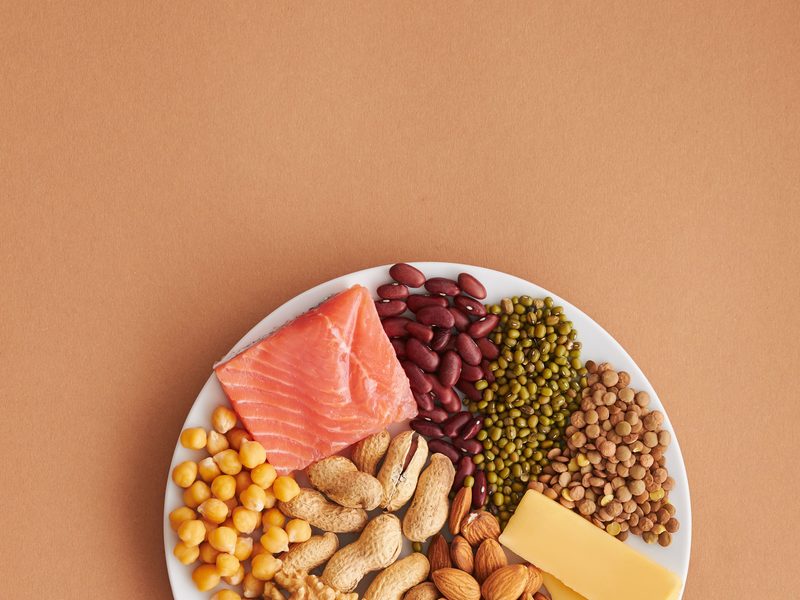
Start with the meal, not a promise
Fibre is often marketed as a shortcut to fullness or weight loss. A more useful starting point is to examine the foods in meals you already eat. There is room to improve food variety without declaring that a single ingredient will control appetite or guarantee fat loss.
This is general food education, not treatment for digestive disease. If you have a condition that affects which foods or amounts are appropriate, follow individual advice rather than a generic target.
Keep the evidence in context
Reynolds and colleagues' large review linked higher fibre intake with favourable health outcomes and found benefits in several trial risk markers. Importantly, it excluded weight-loss trials and supplement interventions. It should not be used as proof that adding a fibre supplement causes a particular amount of fat loss.
EFSA's adult adequate intake of 25 grams per day was set in relation to normal bowel function. It is a population reference, not a personalised appetite threshold or an instruction to jump to a large intake immediately. Fullness is not the same outcome as a sustained change in body fat.
Look for useful additions to familiar meals
A meal review can begin with a simple question: where are the plant foods I enjoy and can obtain? You do not need to replace every meal or buy a product with an impressive front-of-pack claim.
| Existing meal | An ordinary option to consider | What to check | | A quick breakfast | Oats, fruit or a wholegrain option | Portion, preference and what the label actually counts | | A sandwich lunch | Wholegrain bread and vegetables | Whether the meal remains practical to prepare | | A rice or pasta meal | Beans, lentils or vegetables alongside it | Taste, tolerance and the rest of the meal | | A snack chosen in a rush | Fruit, nuts or another familiar option | Convenience and your actual appetite |
The table is a set of meal-building ideas, not a meal prescription. Foods differ, brands differ and portions matter. Use labels or an appropriate food database when you need a numerical estimate instead of treating a photograph as a nutrient calculation.
Change one meal at a time
Pick a meal you repeat often and choose one change you can observe. You might add a food, swap an option or adjust preparation. Record whether you enjoyed it, whether it was practical and whether you felt comfortable afterward. This provides better information than changing the whole week and then being unsure what caused a problem.
A gradual approach is an editorial suggestion for making changes easier to interpret, not a rule that everyone should follow the same schedule. More is not automatically better for your circumstances, especially when a clinical restriction applies.
Read labels without turning food into a competition
Check the serving size before comparing fibre numbers. A larger serving can appear to win even when the foods are similar by weight. Also notice the rest of the meal: a product is not automatically a complete lunch because its package highlights one nutrient.
A useful label note has three parts: the amount for your actual portion, the way it fits the meal and whether you would choose it again. You do not need to rank every food as good or bad.
Keep fat-loss expectations separate
The calorie-deficit guide explains why energy estimates need real-world review. A fibre-containing meal can belong in that routine, but it does not make the estimated energy balance exact. Avoid reducing an entire eating pattern to “eat this and never feel hungry.”
| Question | Why it is useful | | Can I prepare this on an ordinary day? | A plan must survive the schedule it is meant for | | Does it include foods I enjoy? | Preference matters when deciding what to repeat | | Am I comfortable with the change? | A generic reference cannot assess individual tolerance | | Am I making several changes at once? | Fewer simultaneous changes are easier to interpret |
A practical next step
Choose one meal from the simple meal-planning guide. Identify one fibre-containing food that fits it, check the portion information and try the meal in an ordinary week. Keep the change if it is useful; adapt it if it is not.
The aim is a more workable pattern of eating. Health evidence can inform the direction, but it does not turn a nutrient target into a guaranteed appetite response or a personal weight-loss prediction.
References & editorial status
Spot an error? Submit a correction.
Reports are saved for editorial review, not emailed automatically. For a direct enquiry, email the publication.