Nutrition for training and everyday life
Nutrition is a pattern of meals and decisions, not a list of perfect foods. Protein, carbohydrate and fat all have roles. The best starting point is a pattern that fits your budget, preferences, activity and access to food.
Put the whole diet before supplements
Identify useful protein sources, varied plant foods and meals you can repeat. Foods do not need to be labelled good or bad to make a plan practical. Supplements can be convenient, but they do not make a poorly matched diet work. Claims about a product should be checked against the actual evidence and population studied.
Use numbers as planning tools
Protein targets in g/kg help translate a daily range into ordinary meals. Macro calculations use approximately 4 kcal per gram of protein or carbohydrate and 9 kcal per gram of fat. Our sample split is an illustration rather than a scientifically established optimum for every person. Rounded figures may differ slightly from the energy total.
Recognise the limits of general advice
Education for healthy adults does not establish an individual requirement during pregnancy, for kidney disease or for eating disorder treatment. A registered dietitian or another appropriately qualified professional can provide advice where a general calculator is unsuitable. Research summaries explain those boundaries instead of presenting group averages as personal predictions.
Read the guides.
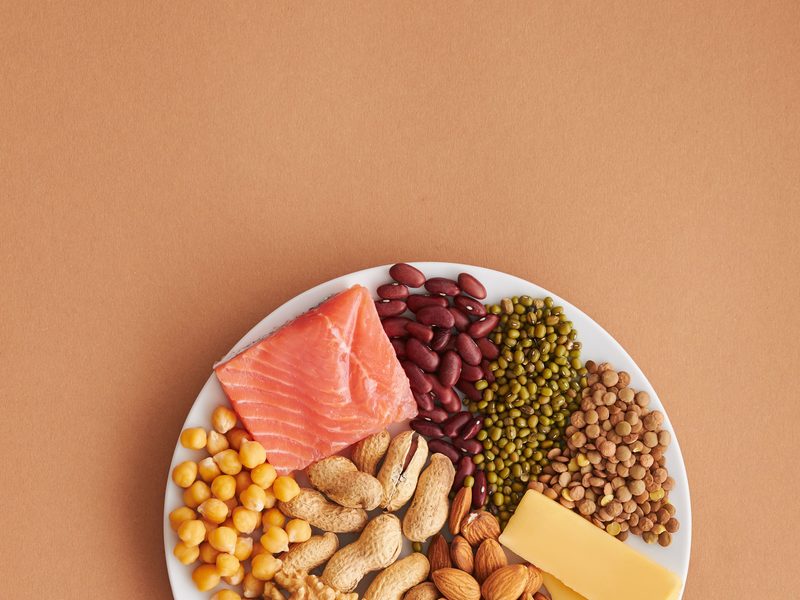
Protein: how much is enough?
Set a useful daily target without making every meal a maths problem.

The Best Diet for Losing Fat While Building Muscle
No diet label guarantees recomposition. Compare eating patterns using protein, training support, food quality and the routines you can repeat.
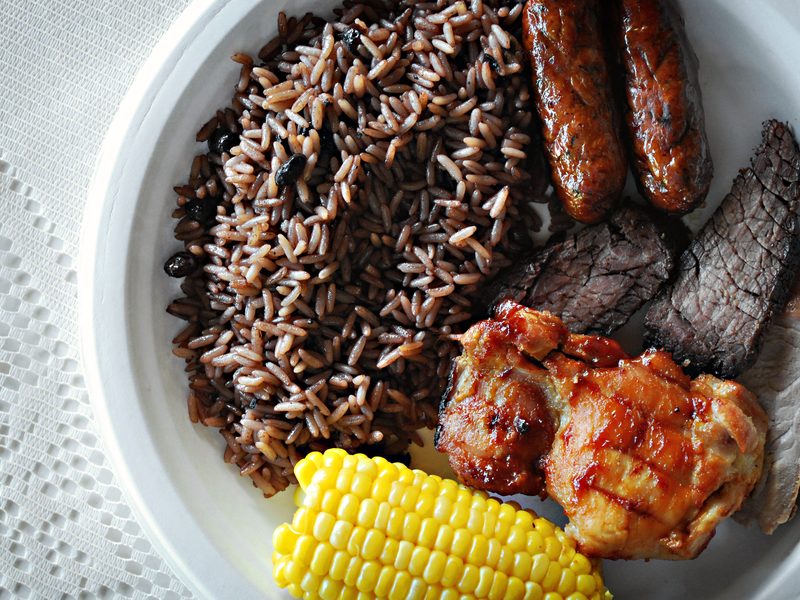
How to Improve Body Composition Without Extreme Dieting
Use repeatable meals, progressive training and a calmer progress record. Body-composition goals do not require a crash diet.

Creatine Explained: Benefits, Dosage and Safety Questions
What creatine monohydrate can do, why early weight gain happens, and who should get individual advice before supplementing.
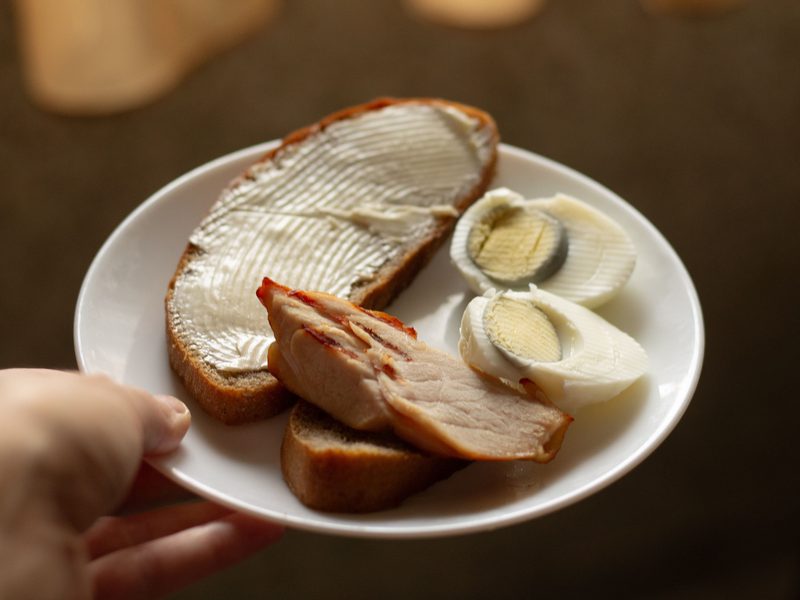
Protein across your day: practical meals, less clock-watching.
Translate a daily planning range into meals you actually enjoy, without inventing an absorption deadline.

Build a balanced lunch around food you already like.
A flexible lunch framework for training days, busy workdays and ordinary appetites.

Carbohydrates and lifting: match the advice to the session.
Why a normal gym session and a long, demanding training day need different questions.

A simple meal plan you can adapt when the week changes.
Plan a few reliable meals and a fallback option, without turning Sunday into another job.

Fibre, fullness and fat loss: improve meals without a magic ingredient.
Use ordinary fibre-containing foods, distinguish health evidence from appetite promises, and make changes you can comfortably repeat.