The short version
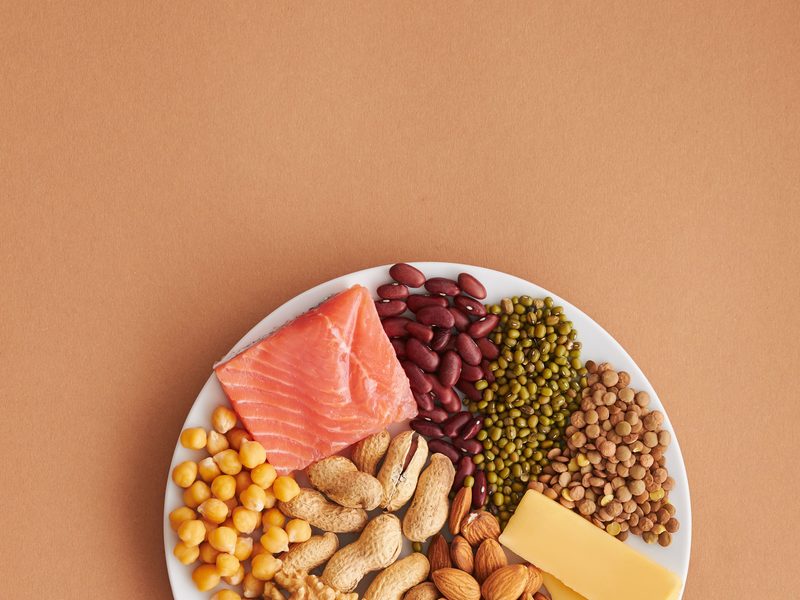
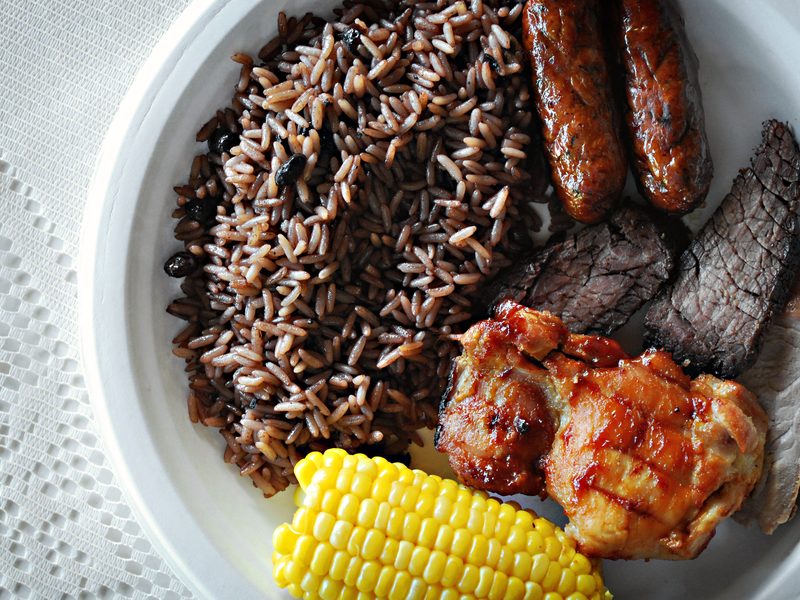
A useful lunch does not need a special fitness label. Start with a protein-containing food, add a carbohydrate source and varied vegetables, then adjust portions and fats to suit your overall day. This is a flexible meal-building idea, not a prescribed plate ratio.
Start with the meal, not a product
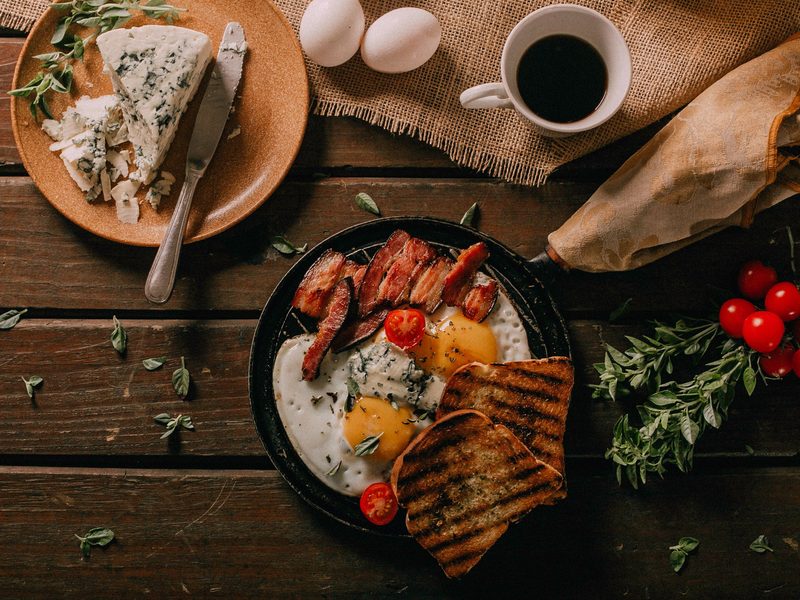
Write down two lunches you already enjoy and can prepare or buy reliably. Look at what each contains. Does one need a more substantial filling? Would vegetables, fruit or a wholegrain option make the meal more varied? Change one part before replacing the whole lunch.
The World Health Organization describes healthy eating in terms of adequacy, balance, moderation and variety. Its guidance supports a varied diet with fruits, vegetables, pulses and wholegrains. It does not validate the exact lunches below or assign one perfect plate to every person.
Three adaptable examples
| Starting meal | Protein-containing component | Other additions |
|---|---|---|
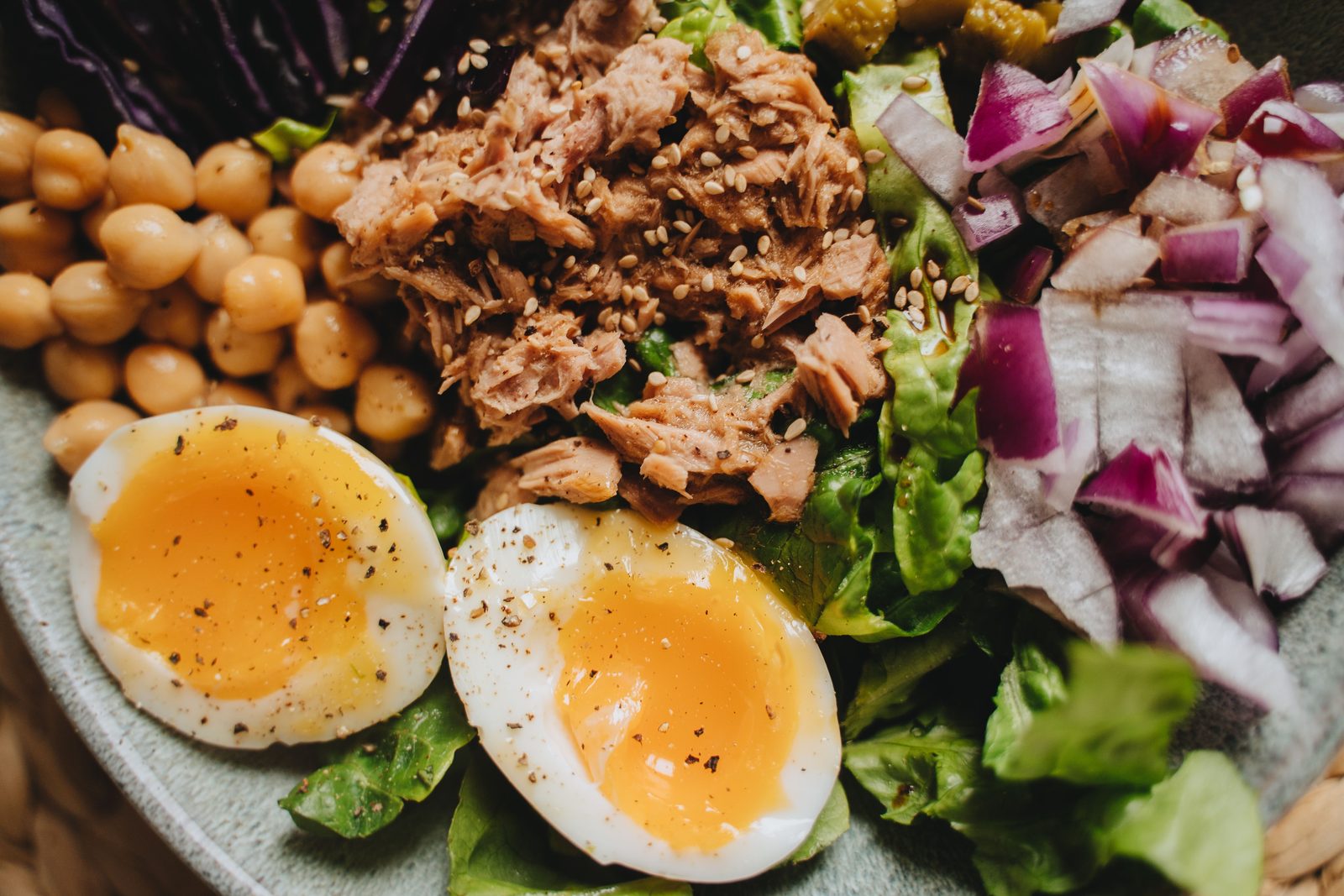
| Sandwich | Egg, tuna, chicken, tofu or bean filling | Bread you enjoy; salad; fruit if wanted |
| Rice bowl | Lentils, tofu, fish or meat | Rice; vegetables; dressing to taste |
| Leftovers | Yesterday's protein-containing dish | Potatoes, bread or rice; extra vegetables |
The ingredients are options, not equivalent portions. Check labels when you need numbers. Beans contribute carbohydrate as well as protein; foods do not fit neatly into only one category.
Let portions do useful work
If a meal leaves you hungry quickly, review its overall size and composition rather than automatically removing carbohydrates. If it regularly feels too large before exercise, timing or a smaller portion may be more comfortable. Your training schedule, appetite and overall intake change what suits you.
For fat loss, an energy deficit still matters across time. A lunch described as balanced does not guarantee a deficit, and a calculator cannot know your actual portion sizes. Read the calorie deficit guide for context before making large changes.
Make it easy to repeat
Keep one convenient option for days when preparation falls through. A bought sandwich with a suitable filling can be more useful than an elaborate meal you never have time to make. Compare prices and available storage. Choose foods you like enough to repeat, then vary them across the week.
What this framework cannot do
It cannot account for allergies, digestive conditions, clinical nutrition needs or food insecurity. It is not a diet for treating disease. Avoid using a plate template to override hunger or to classify every food as good or bad.
Your next step
Choose tomorrow's lunch, identify one practical improvement and leave everything else familiar. The macro calculator can explain an example daily split, but weighing every ingredient is optional. Read protein across your day if you want a numeric planning example.
References & editorial status
Spot an error? Submit a correction.
Reports are saved for editorial review, not emailed automatically. For a direct enquiry, email the publication.