The short version
Carbohydrate foods can fit a diet for strength training and fat loss. Whether extra carbohydrate immediately before a session helps depends on the training and what you have already eaten. A sports drink is not a requirement for every workout.
What the research asks
A 2022 systematic review by Henselmans and colleagues examined carbohydrate intake and resistance-training performance. Findings differed with context, including fasting, prior glycogen depletion and training volume. It did not establish one universal carbohydrate prescription for every lifter. Many studies were small or short; performance in a session is different from long-term muscle gain.
Start with your usual routine
Think about when you last ate and how the session usually feels. If you train comfortably after lunch, there may be little practical reason to introduce a new pre-workout product. If a long gap without food leaves you hungry, a familiar snack may be convenient. That observation does not diagnose low glycogen or prove carbohydrate is the only explanation for fatigue.
| Situation | A practical question |
|---|---|
| Short session after an ordinary meal | Is there a problem that needs solving? |
| Early session without breakfast | Would a small familiar snack feel better? |
| Long or repeated demanding sessions | Is total food intake keeping pace with the workload? |
These are questions for planning, not laboratory cutoffs.
Food examples, without a rigid timing rule
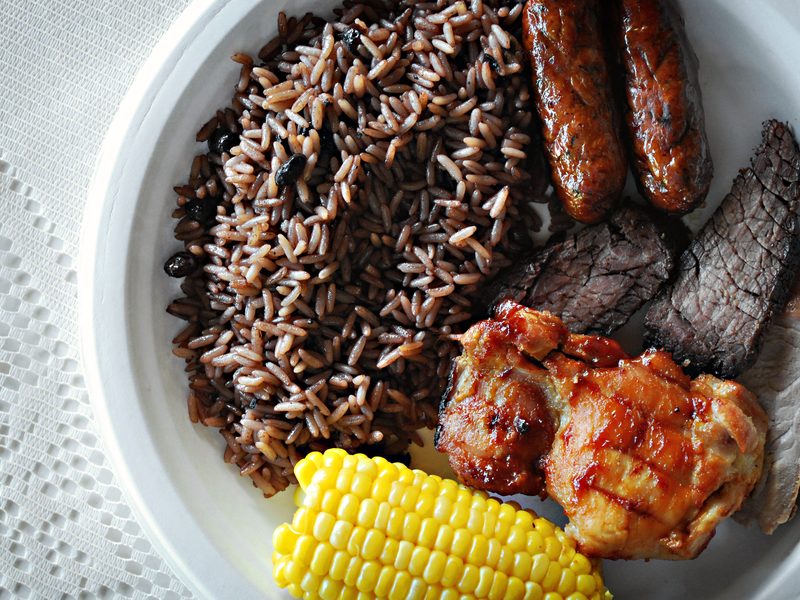
Bread, oats, rice, potatoes, fruit and pulses can contribute carbohydrate. Pick an option you digest comfortably and can afford. A banana, toast or a normal meal may suit different circumstances. Portion size depends on the whole day; the examples are not equal in carbohydrate or energy.
Avoid introducing several unfamiliar foods immediately before an important session. If you experiment, change one thing and record how it affects comfort and training. A single good workout cannot establish cause and effect.
Carbohydrates during fat loss
Removing carbohydrate is not a requirement for losing fat. The calorie deficit guide explains energy balance and real-world trends. Food choices can help adherence, but no macro label overrides energy intake over time. Keep enough variety to support an ordinary, sustainable diet.
Read the macro output correctly
Our macro calculator assigns protein from body weight, allocates 30% of energy to fat and puts the remainder into carbohydrate. That is an illustrative split, not an evidence-derived ideal for your session. Rounded gram values can slightly change the total.
Your next step
Review one week of training alongside meal timing, sleep and workload. Look for a repeatable problem before changing intake. Clinical conditions affecting blood glucose, significant fatigue or disordered eating concerns require individual support. Research averages cannot determine your personal carbohydrate requirement.

References & editorial status
Spot an error? Submit a correction.
Reports are saved for editorial review, not emailed automatically. For a direct enquiry, email the publication.