Find your next read.
Search results
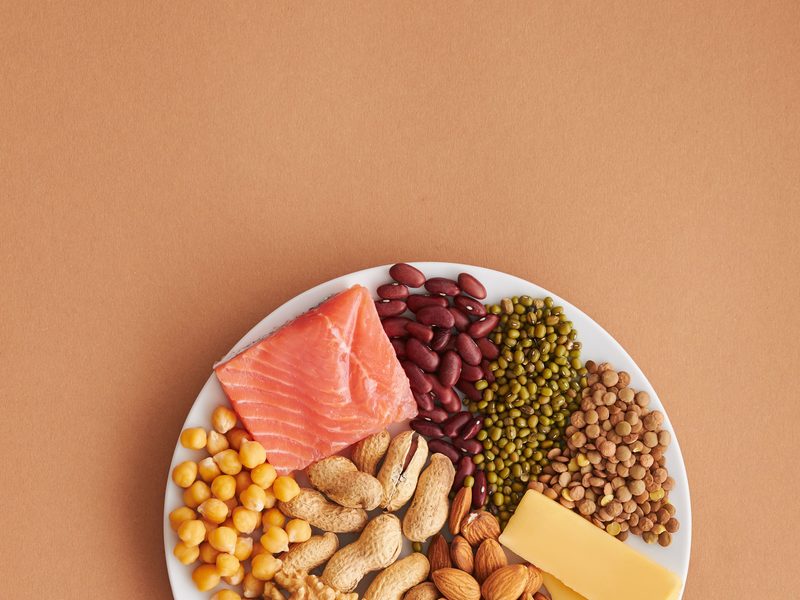
Protein: how much is enough?
Set a useful daily target without making every meal a maths problem.

A calorie deficit you can actually live with.
Use an estimate as a starting point, then learn from your own trend.

How to Lose Body Fat Without Losing Muscle
Protect training quality, use a manageable deficit and track several signals instead of assuming every kilogram lost is fat.

Fat Loss vs Weight Loss: What Is the Difference?
Weight includes water, glycogen and lean tissue as well as fat. Learn how to interpret progress without trusting one noisy number.
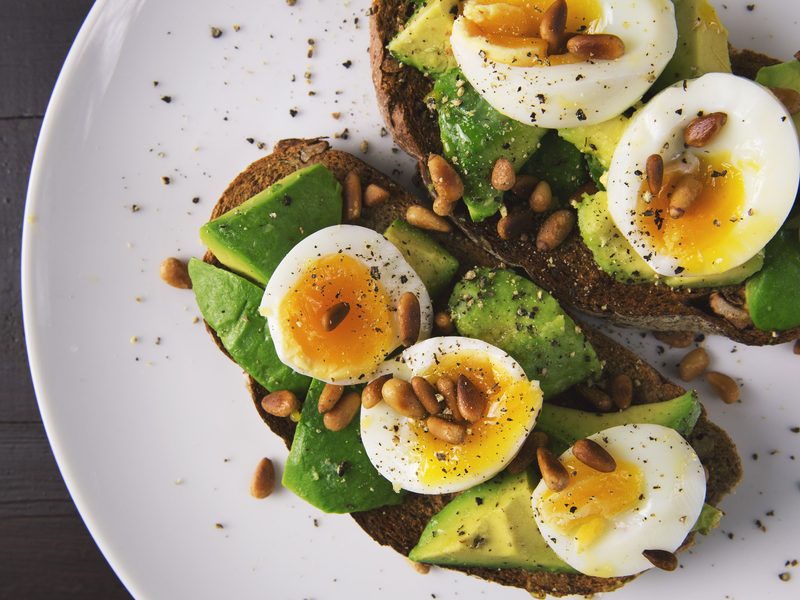
How Large Should Your Calorie Deficit Be When Muscle Matters?
Choose a manageable starting deficit and adjust it using recovery and trends. A larger calculated gap is not automatically a better plan.

The Best Diet for Losing Fat While Building Muscle
No diet label guarantees recomposition. Compare eating patterns using protein, training support, food quality and the routines you can repeat.

Why Your Weight Loss Has Stalled: A Practical Checklist
Check measurement noise, routines and recovery before cutting more food. A plateau needs a trend, not one disappointing weigh-in.

Does Losing Weight Get Harder With Age?
Age changes the context of weight management, but a sudden metabolic collapse at 40 is not what the measured evidence shows.
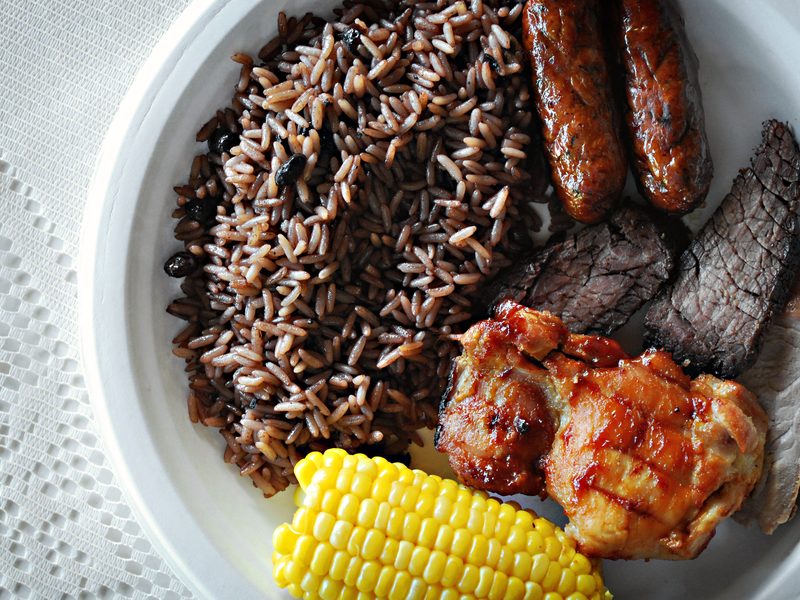
How to Improve Body Composition Without Extreme Dieting
Use repeatable meals, progressive training and a calmer progress record. Body-composition goals do not require a crash diet.

Creatine Explained: Benefits, Dosage and Safety Questions
What creatine monohydrate can do, why early weight gain happens, and who should get individual advice before supplementing.
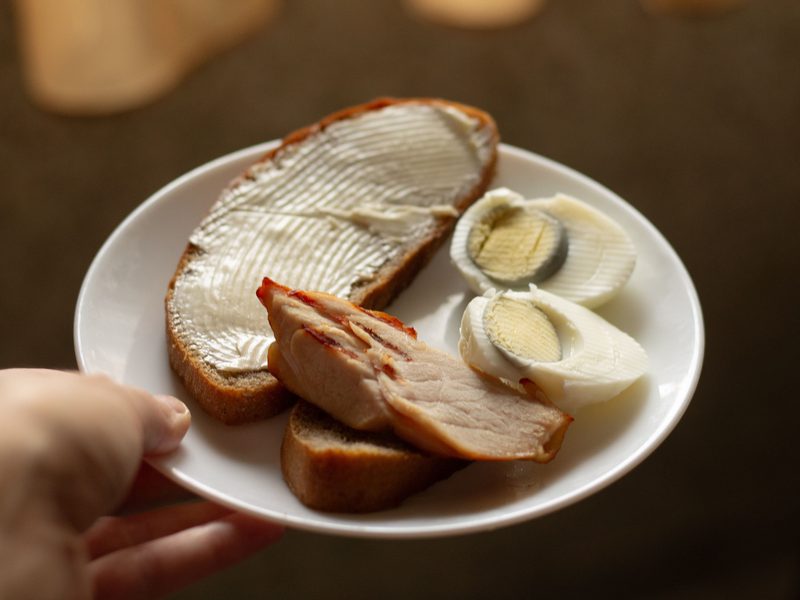
Protein across your day: practical meals, less clock-watching.
Translate a daily planning range into meals you actually enjoy, without inventing an absorption deadline.
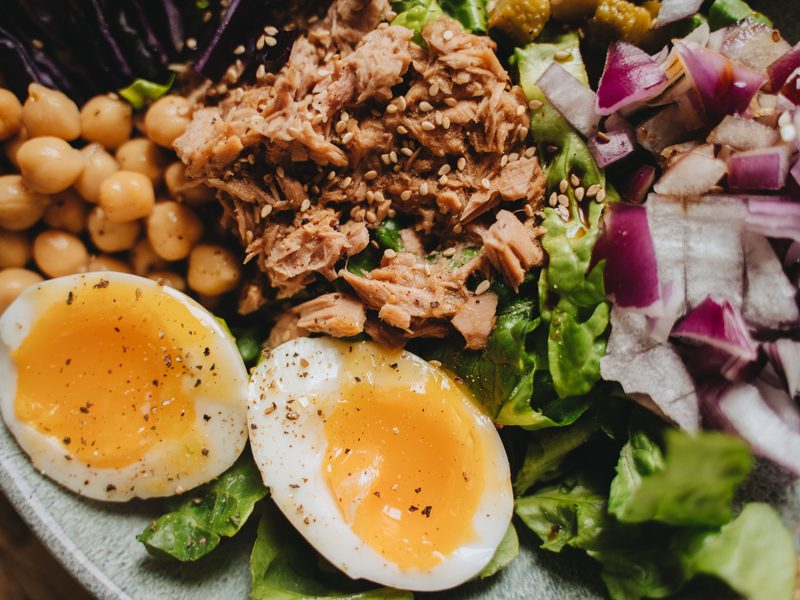
Build a balanced lunch around food you already like.
A flexible lunch framework for training days, busy workdays and ordinary appetites.

Carbohydrates and lifting: match the advice to the session.
Why a normal gym session and a long, demanding training day need different questions.

A simple meal plan you can adapt when the week changes.
Plan a few reliable meals and a fallback option, without turning Sunday into another job.

Fibre, fullness and fat loss: improve meals without a magic ingredient.
Use ordinary fibre-containing foods, distinguish health evidence from appetite promises, and make changes you can comfortably repeat.

Daily weight fluctuations: read the record before changing the plan.
Understand what a scale can and cannot show, compare like with like, and avoid making diet decisions from one reading.